Fascia Release · Microcirculation
Move what's stuck.
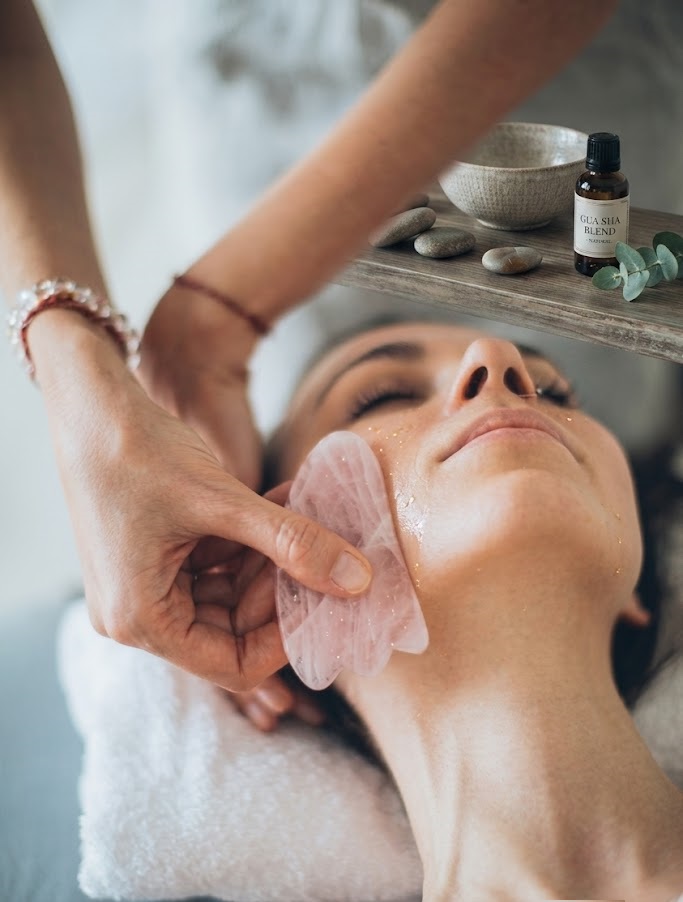
Gua sha is a gentle scraping technique applied to the skin using a smooth-edged tool. It works by moving stagnation, improving microcirculation, and releasing fascial tension, effective for both musculoskeletal complaints and systemic support.
How it works
A quiet way to release what's held.
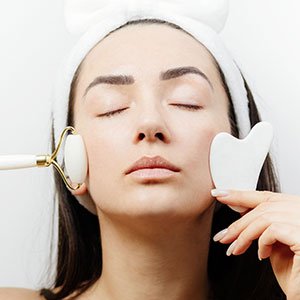
Gua sha is a gentle scraping technique applied to the skin using a smooth-edged tool. It works by moving stagnation, improving microcirculation, and releasing fascial tension, making it effective for both musculoskeletal complaints and systemic support.
It is often incorporated into acupuncture sessions as a supportive therapy, rather than booked entirely on its own, working alongside needling to reach tension that's sitting close to the surface.
What it helps with
Gua sha is useful for:
What to expect
Usually part of a bigger picture.
Often woven into acupuncture
Gua sha is typically incorporated into a regular acupuncture session as a supportive therapy, rather than booked as a standalone appointment.
A gentle, warming sensation
The scraping motion is applied with smooth pressure. Most people find it soothing, more like a firm, warm stroke than anything sharp.
Temporary redness or marking
Gua sha may produce temporary redness or light marking on the skin, which fades within a day or two. This is a normal, expected part of the technique.
Gua sha questions
Before you book.
Can I book gua sha on its own?
Gua sha is most often incorporated into a regular acupuncture visit as a supportive therapy. Mention it when you book and we'll build it into your treatment plan.
Will I be marked or red afterward?
Gua sha may produce temporary redness or light marking on the skin, which typically fades within a day or two. It's a normal, expected response and not a sign of injury.
Does gua sha hurt?
No. The scraping motion uses smooth, firm pressure, most people describe it as soothing and warming rather than uncomfortable.
What areas can gua sha be used on?
Most commonly the neck, shoulders and upper back, though it can be applied to other areas depending on what you're working with.
Is gua sha covered by insurance?
Since gua sha is typically included as part of an acupuncture visit, it's generally covered the same way your acupuncture treatment is. Let us know your insurance details and we'll confirm.
Ready when you are
Quiet your system. Find your way back to feeling like yourself.
Booking is open online, by phone or by email. New patients welcome. Direct insurance billing available.